
What is Cushing Disease in Horses? Get the Facts to Ensure Optimal Health for Your Equine Friend
Contact us on 02476 840517* or email welfare@bhs.org.uk - You can also get in touch with us via our social media channels. Opening times are 8:35am - 5pm from Monday - Thursday and 8:35am - 3pm on Friday. *Calls may be recorded for monitoring purposes. Equine Cushing's Disease, also called Pituitary Pars Intermedia Dysfunction (PPID), is.
Could your horse have Equine Cushing’s disease? Animed Direct

Managing Obesity. - Obese horses should eat a simple diet of hay and a vitamin/mineral mix. Weight loss can be achieved by increasing exercise and controlling the diet. Hay should be fed at 1.5% of body weight and then lowering the amount to 1.5% of the ideal body weight.
Equine Cushing's Disease (PPID) Symptoms & Treatments Mad Barn

Cushing's disease in horses is a chronic endocrine disorder caused by an imbalance of hormones. Learn about the symptoms, diagnosis and treatment of this condition, and how to manage an affected horse.
When To Euthanize A Horse With Cushing’s Disease? UPDATED 2022 2
Equine Cushing's disease or Pituitary Pars Intermedia Dysfunction (PPID) is caused by hyperplasia (enlargement) or adenoma (benign tumor) formation in the pars intermedia portion of the pituitary gland at the base of the brain. It is a problem primarily of horses over 18 years of age but may develop in pre-teen or teenage horses, especially.
Guide to Cushings In Horses Equine Ridge

Cushing's is a disorder that likely affects more than half the population of horses aged 14 years and older, according to studies performed by Frank M. Andrews, DVM, MS, Dipl. ACVIM, professor.
What Is Equine Cushing’s Syndrome? in 2020 (With images) Cushings syndrome, Equines, Healthy

These horses may need their hay soaked before each feeding, and pasture restricted - or removed all together - to help control blood glucose concentrations. If additional calories are required in the diet to help maintain body weight, feeds designated as low sugar and starch concentrates (ideally less than 10%) would be preferable. These.
Equine Cushing’s disease or Pituitary Pars Intermedia Dysfunction (PPID)

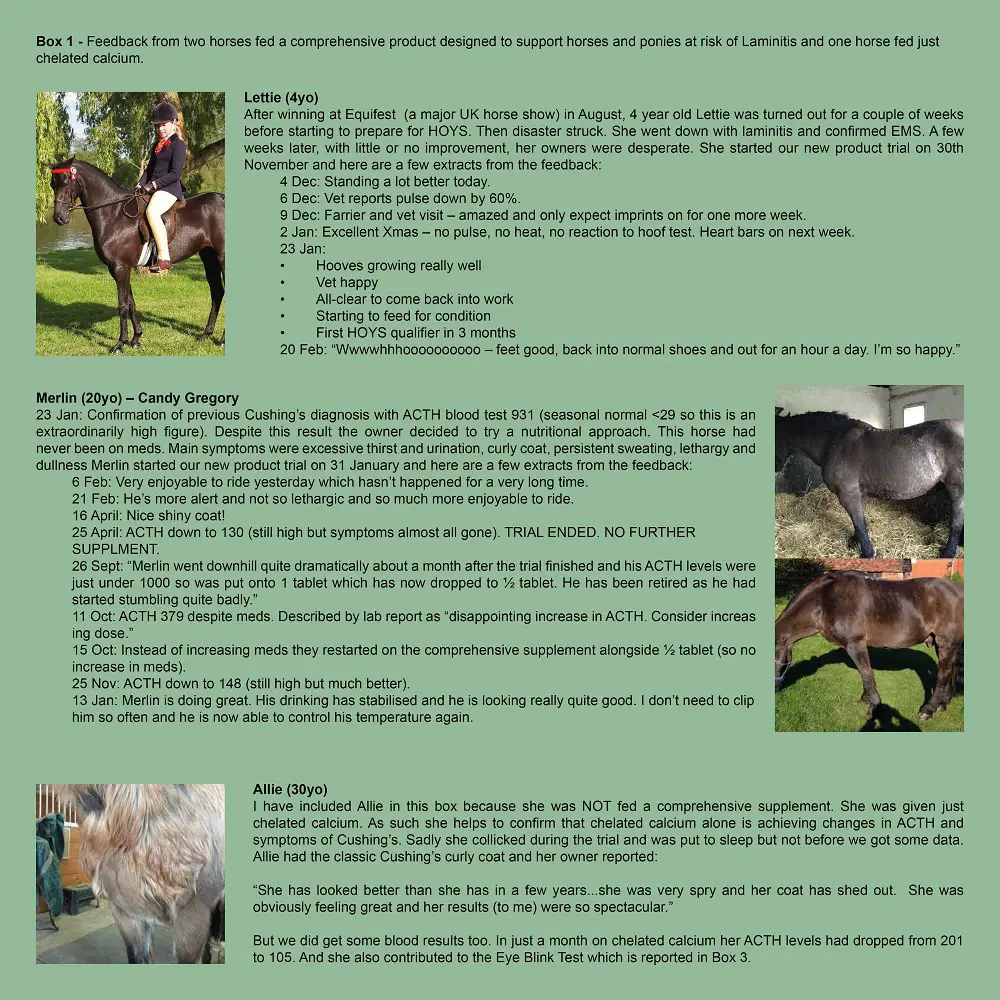
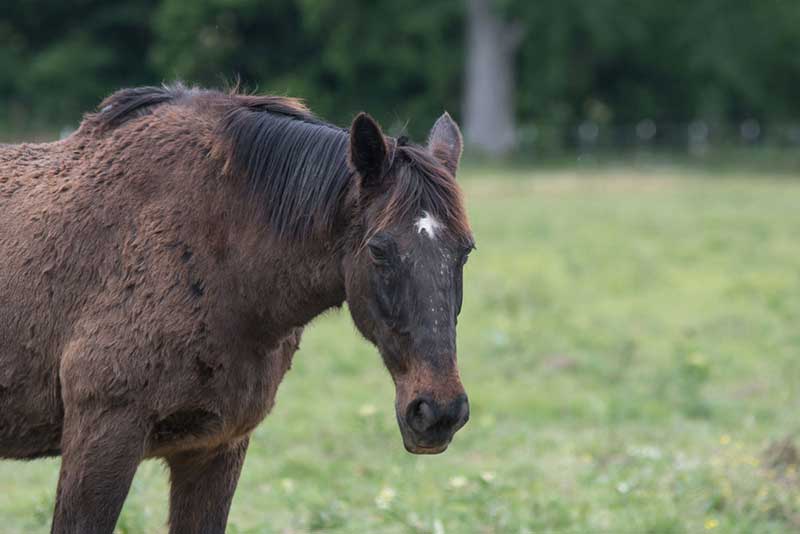
A long curly coat is a typical sign of Cushing's disease. The ACTH test is the simplest and most common test for equine Cushing's disease. A vet will take a blood sample from your horse, if appropriate, and send it to a laboratory to measure the levels of the hormone ACTH. High levels will indicate that your horse has Equine Cushing's.
Does Your Horse Have Cushing's Disease? Understanding Pituitary Pars Intermedia Dysfunction
Also known as Pituitary Pars Intermedia Dysfunction (or PPID), Equine Cushing's Disease is the most common hormone or endocrine (glands that manufacture hormones and other products directly into the bloodstream) disorder in horses. It affects the pituitary gland which is situated at the base of the brain and produces hormones.
Learn to detect the signs of PPID (Cushings disease) PPID Cushings HorseHealth Horse health

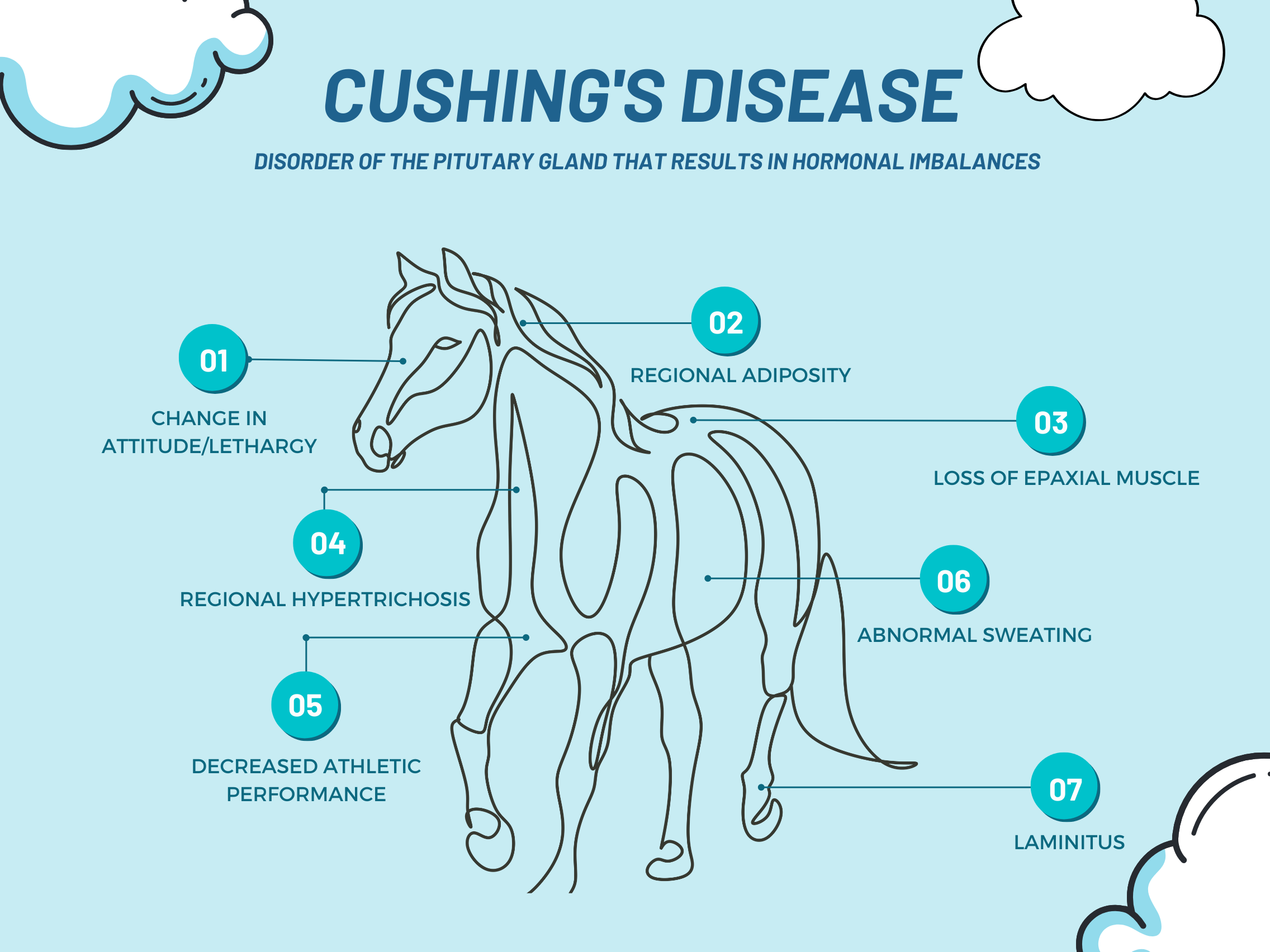
Identifying Cushing's disease in horses can be challenging, as its symptoms can vary widely. Common signs to watch for include: Abnormal Hair Growth: Horses with Cushing's disease often exhibit long, curly, and delayed shedding of their winter coat. This is the most common symptom. Muscle Wasting: Progressive muscle atrophy, especially along.
Cushing’s disease in horses has nearly as common of a household name as laminitis and

2. Age is a factor but not the factor. Statistics vary, but it's often noted that one in 10 horses over the age of 10 has Cushing's disease, and this statistic increases to roughly one out of three horses in their 20s. While it is true that the older the horse, the greater risk of developing this disease, it doesn't mean younger horses.
Cushing's Disease in Horses Important Warning Signs And How To Treat It Cushing disease

Over the years, the disease has had a few name changes, with equine Cushing's disease the most commonly accepted. But labels such as "equine 'Cushing's-like' disease," "equine Cushing's syndrome," "equine pituitary pars intermedia adenoma," and the most currently accepted name in the veterinary community, "equine pars intermedia dysfunction," have all been used to.
What to feed a cushings horse

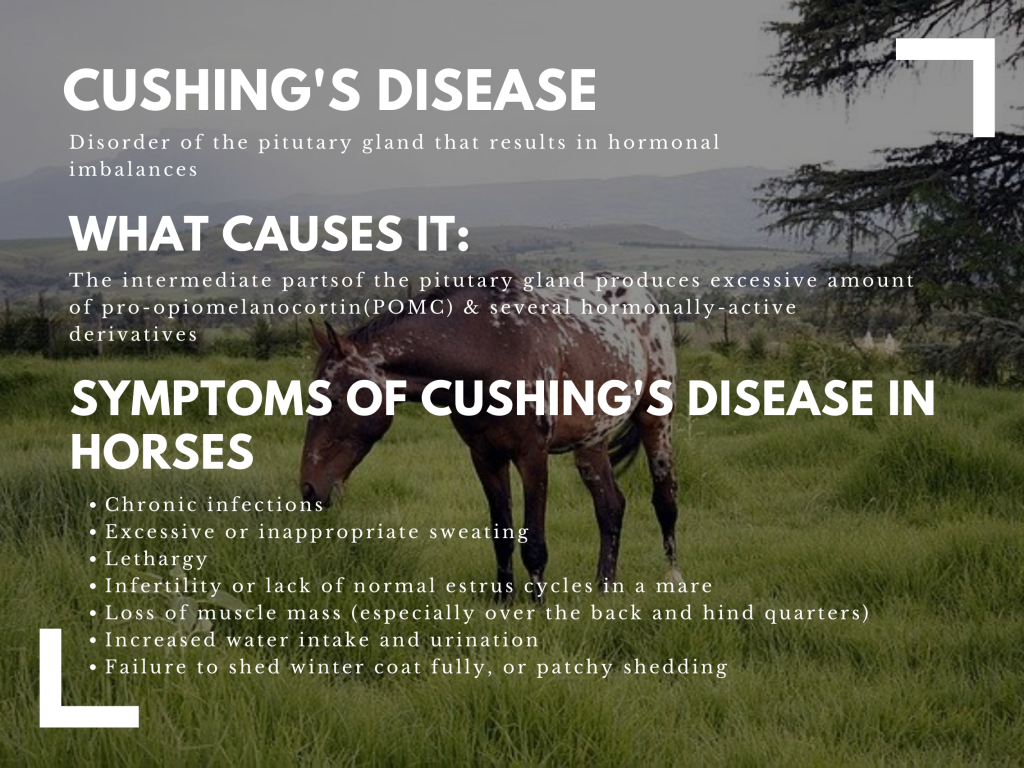
Watch for the tell-tale symptoms of Cushings disease in horses: Excess, curly hair growth (hirsutism) on the neck, tail head, ears and lower legs that don't shed normally. Increased water consumption and urination. Loss of muscle mass (particularly in the top line) Fatigue and listlessness. Muscle weakness or stiffness.
How To Treat a Horse With Cushing's Disease Cushings, Cushing disease, Horses

Equine Cushing's disease is more correctly known as pituitary pars intermedia dysfunction (PPID). It involves the pituitary gland, which is a gland located at the base of the brain that produces hormones in response brain signals.
When To Euthanize A Horse With Cushing’s Disease? UPDATED 2022 2
Equine Cushing's Disease is more commonly known as Pituitary Pars Intermedia Dysfunction (PPID). It involves the overproduction of certain pituitary hormones and is the most common endocrine disease of older horses and ponies. PPID occurs in all breeds and both genders, with increasing age as the only proven risk factor.
Equine Cushing's disease Fact Files Information and Advice RVC Equine Royal Veterinary
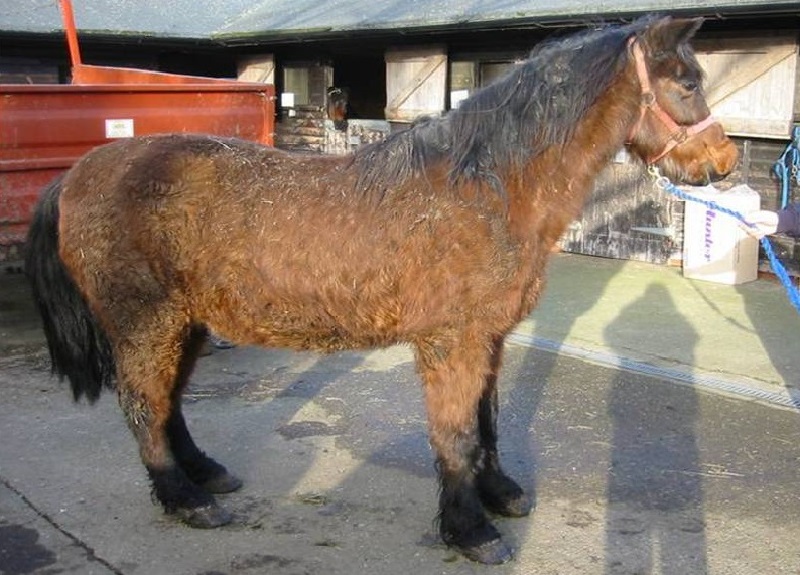
What Is Cushing's Disease in Horses? Also known as pituitary pars intermedia dysfunction (PPID), Cushing's disease is the most common endocrine disorder diagnosed in horses. Although Cushing's disease in horses carries the same name as an similar disorder that affects people and dogs, the disease process is different because the equine version affects a different aspect of the pituitary gland.
What Is Cushing’s Disease in Horses? Horse With A Name

First, the vet draws blood, then gives the horse an intramuscular injection of the steroid dexamethasone. The next day, the vet draws a second blood sample. In normal horses, dexamethasone should lower the cortisol level in the blood. In Cushing's horses, the horse's resulting cortisol levels should theoretically be higher.