
What is White Line Disease and What Can You Do About It? Scoot Boots US Retail Rencana

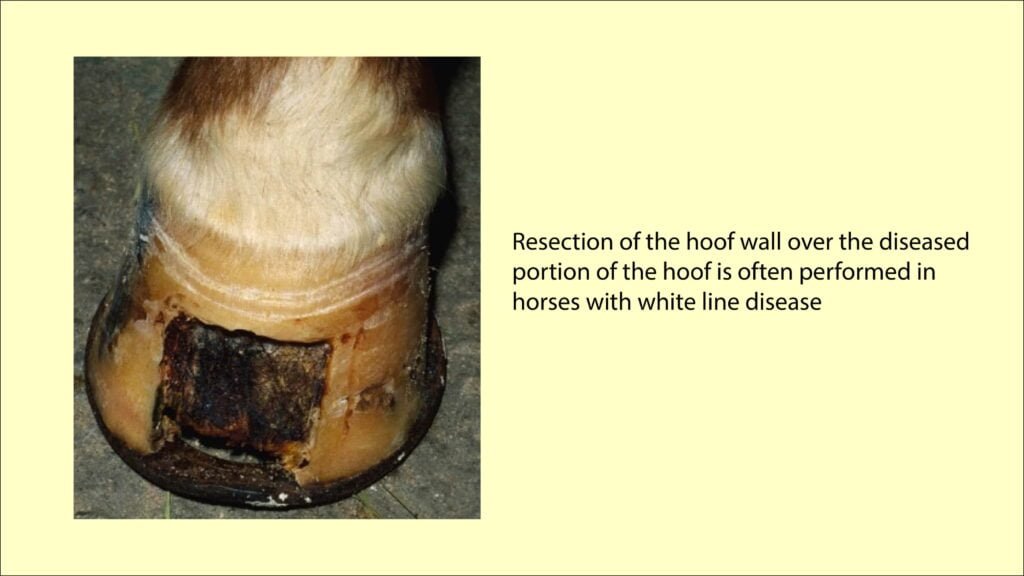
The mainstay of white line disease treatment is hoof-wall resection, where a skilled farrier cuts away all three layers of the hoof wall to remove the infected material. A hoof knife or Dremel tool can clear out the powdery hoof wall. Once the farrier has gotten to healthy tissue, he or she can take a drum sander and smooth up the area under.
White Line Disease Photos Pregnant Health Tips
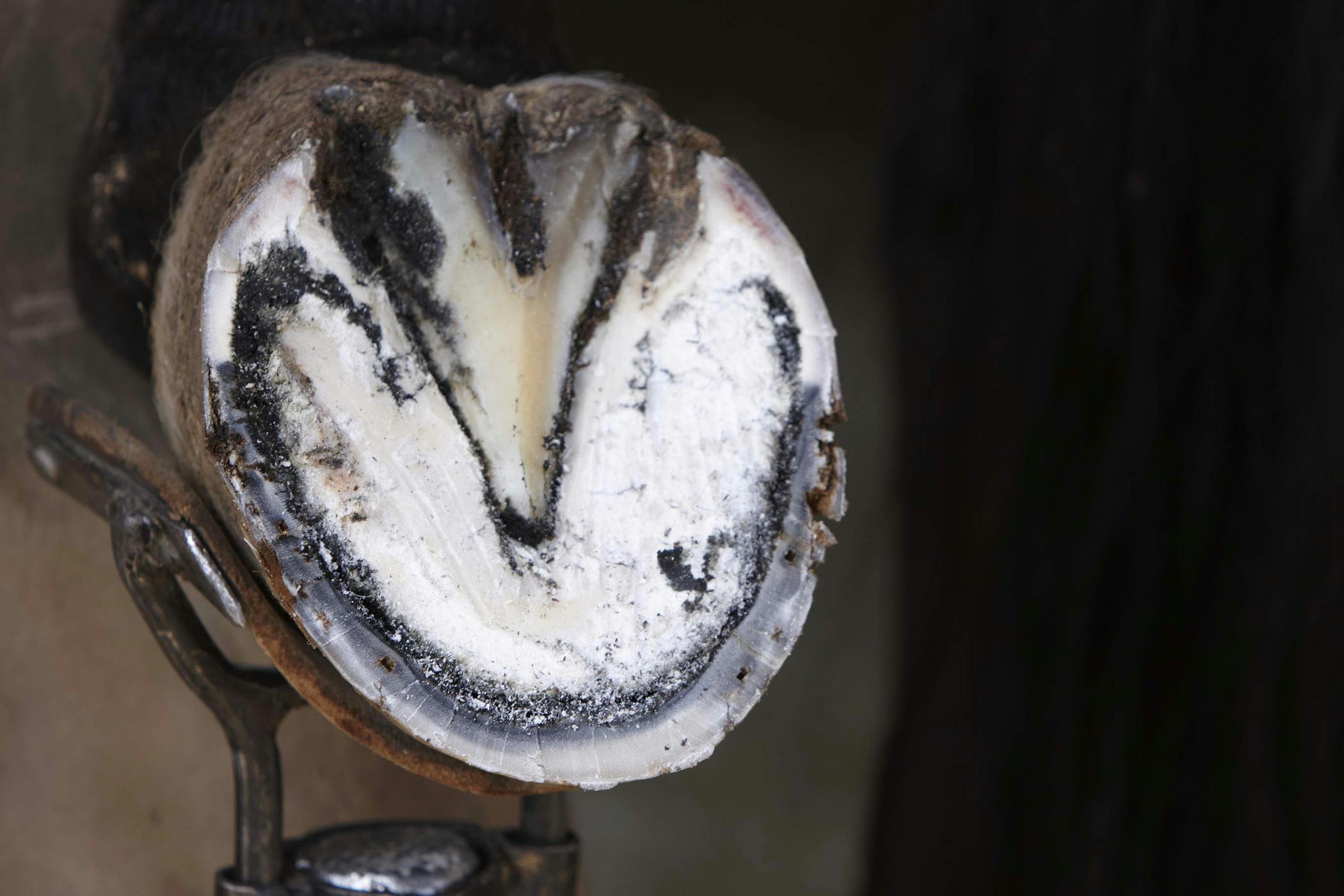
Description. White line disease, also addressed as a condition rather than a disease by some veterinarians, is caused by an infection resulting from bacteria, yeast, or fungus that causes the loss of horn at the juncture between the laminae and the inner hoof wall in the horse's hoof. As the horn disintegrates, it creates a hollow space or.
Super read about white line disease! Horse

The white line can be found on the bottom of the horse's hoof close to the edge as a lighter area of horn where the hoof wall and sole meet. Like any join or seam, it is a potential weak spot.
Severe White Line Disease Causes Serious Problems
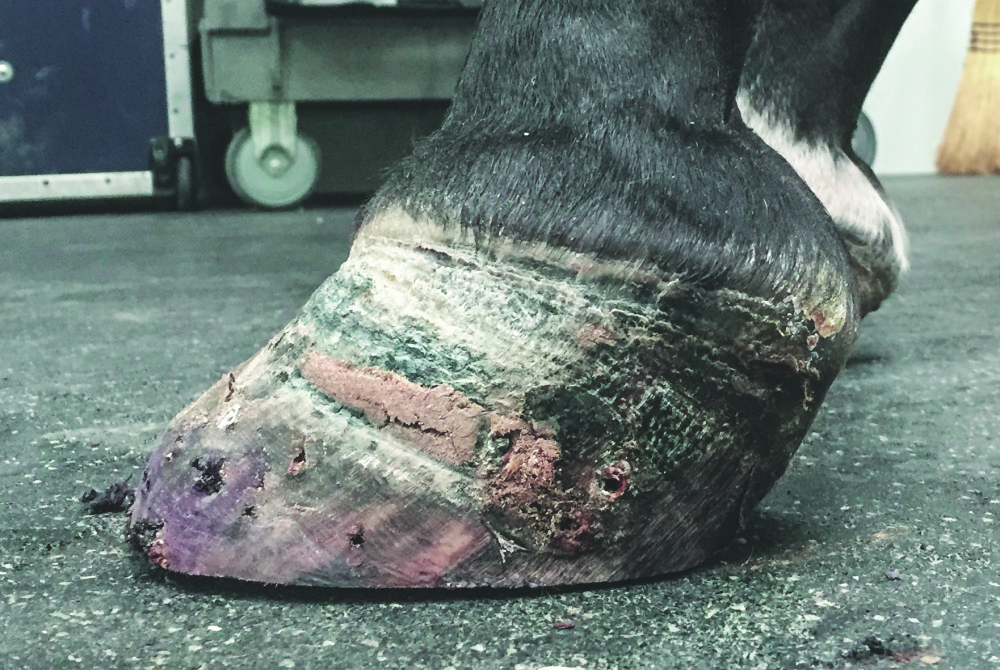
Reviewed/Revised Sep 2015. In white line disease, the hoof wall separates from the underlying laminae (stratum internum) at the level of the stratum medium (tubular horn). The separation likely starts as a result of abnormal wall stress due to poor foot conformation or trimming (eg, long toe, underrun heels) and can start at the toes, quarters.
White Line Disease in Horses Springhill Equine Veterinary Clinic
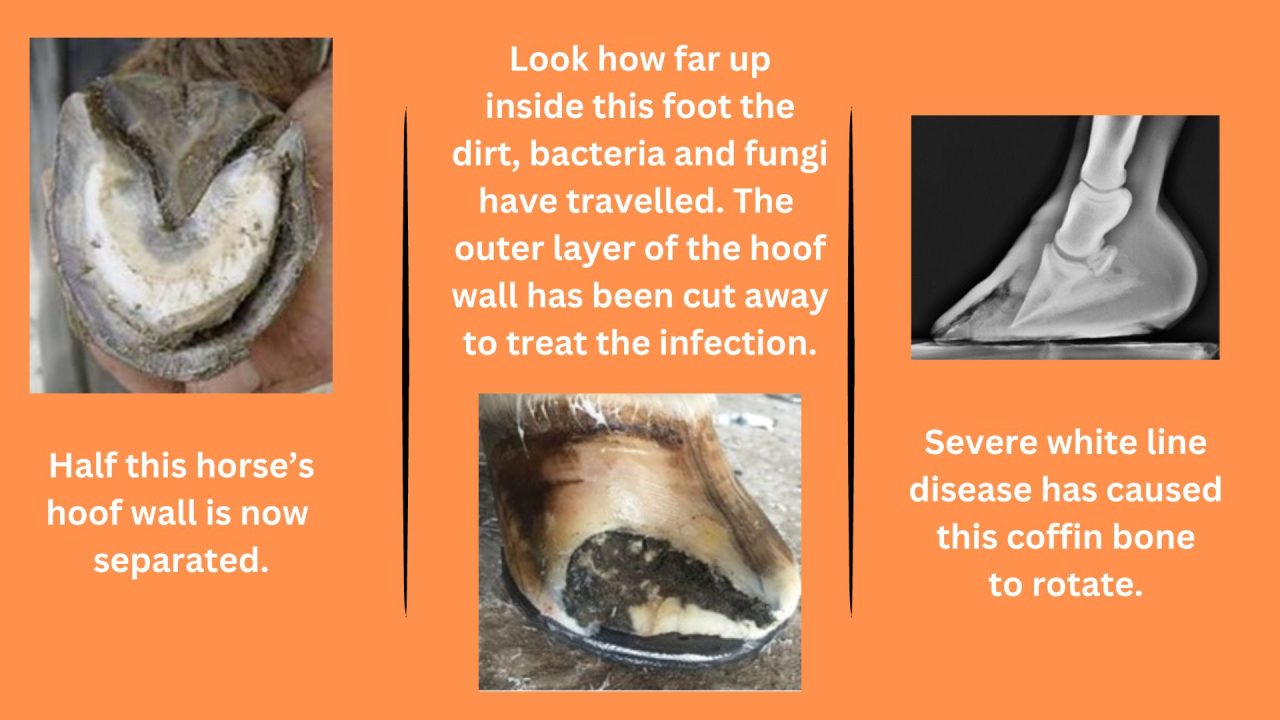
The mainstay of white line disease treatment is hoof-wall resection, where a skilled farrier cuts away all three layers of the hoof wall to remove the infected material. A hoof knife or Dremel tool can clear out the powdery hoof wall. Once the farrier has gotten to healthy tissue, he or she can take a drum sander and smooth up the area under.
Detecting and Treating White Line Disease in Horses, Presented by Banixx Horse & Pet Care

White line disease. White line disease (also known as seedy toe) is a fungal infection of the horse's hoof. As the name suggests, it attacks the white line, which connects the sole to the hoof wall. It is sometimes mistaken for hoof wall separation disease, but is not to be confused because it is not genetic nor as severe.
White Line Disease In Horses
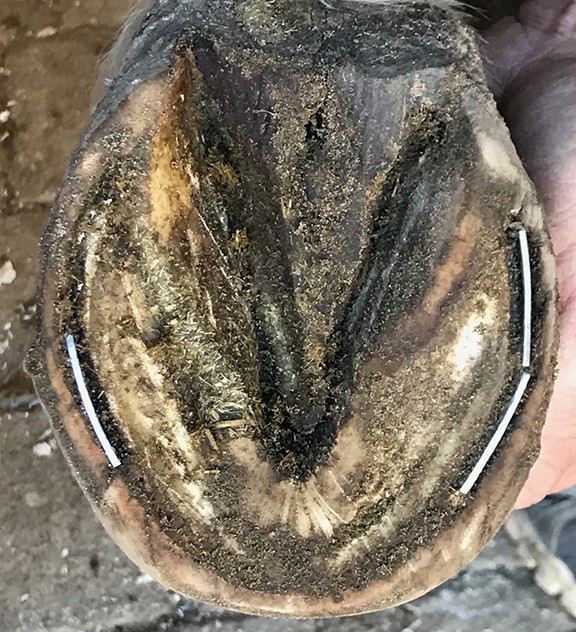
The white line is the junction between the hoof wall and the sole on the bottom of the horse's hoof. White Line Disease is a widening of the white line, or a separation of the hoof wall from the sole. This separation is then invaded by bacteria and fungi, leading to infection that progresses up towards the coronary band which produces a white.
White Line Disease in Horses YouTube

White line disease in horses is a disease localized to the hoof. Also known as "seedy toe" because of its appearance, it is a common disease that can vary in severity affecting horses of any age, sex or breed. Though it occurs most often at the toe, it can occur in the heel or quarter regions of the hoof..
EQUUS 'Farm Calls' episode 20 White line disease in horses Equus Magazine
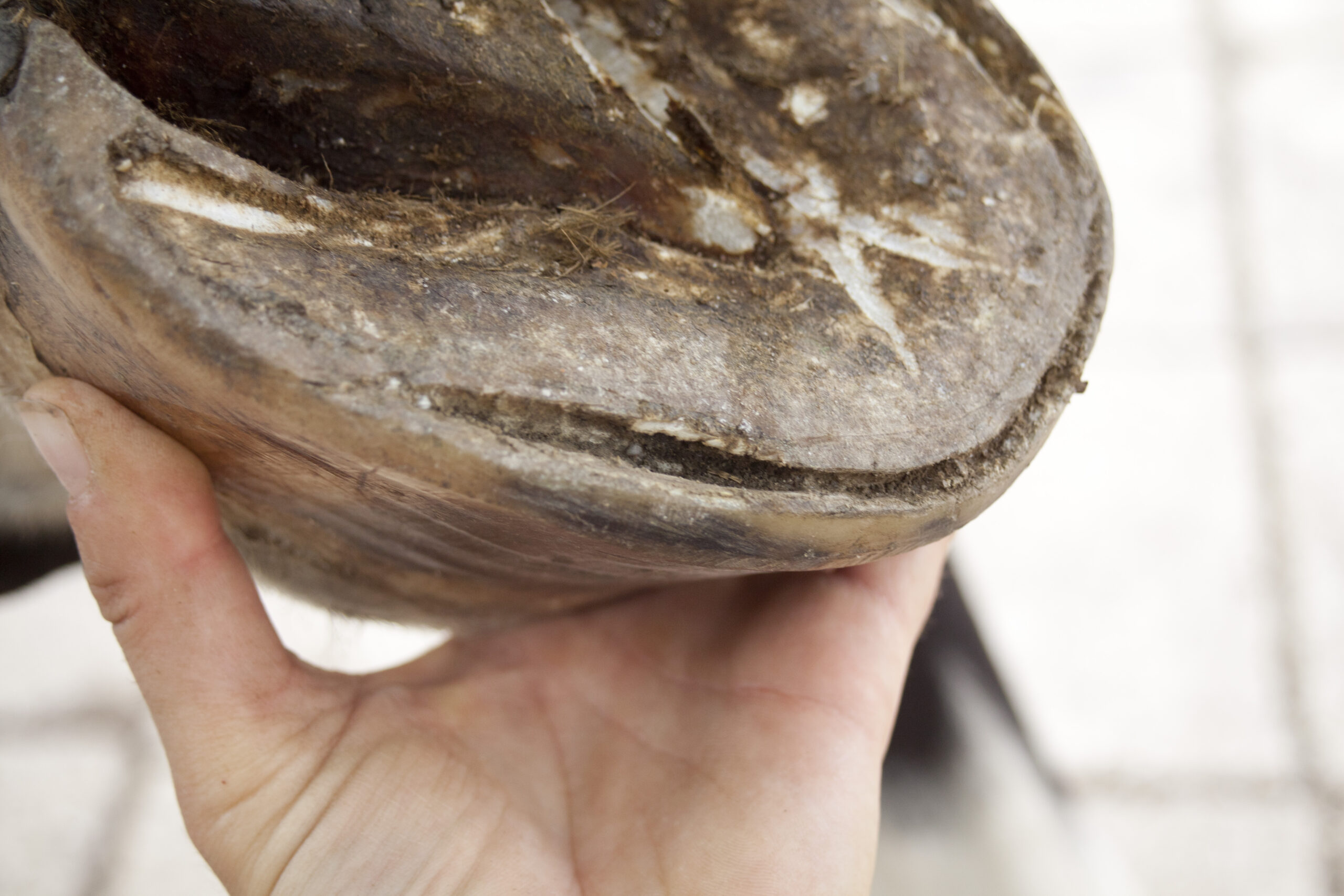
The exact cause(s) of hoof wall separation and white line disease are not yet known. White line disease can affect horses of any age, gender or breed. It can occur in one or more hooves and occurs in barefoot and shoed horses. In a 1996 survey of racehorses in Japan, 11.5% of horses were found to have white line disease. This was defined as.
Innovative Equine Podiatry White line disease case study
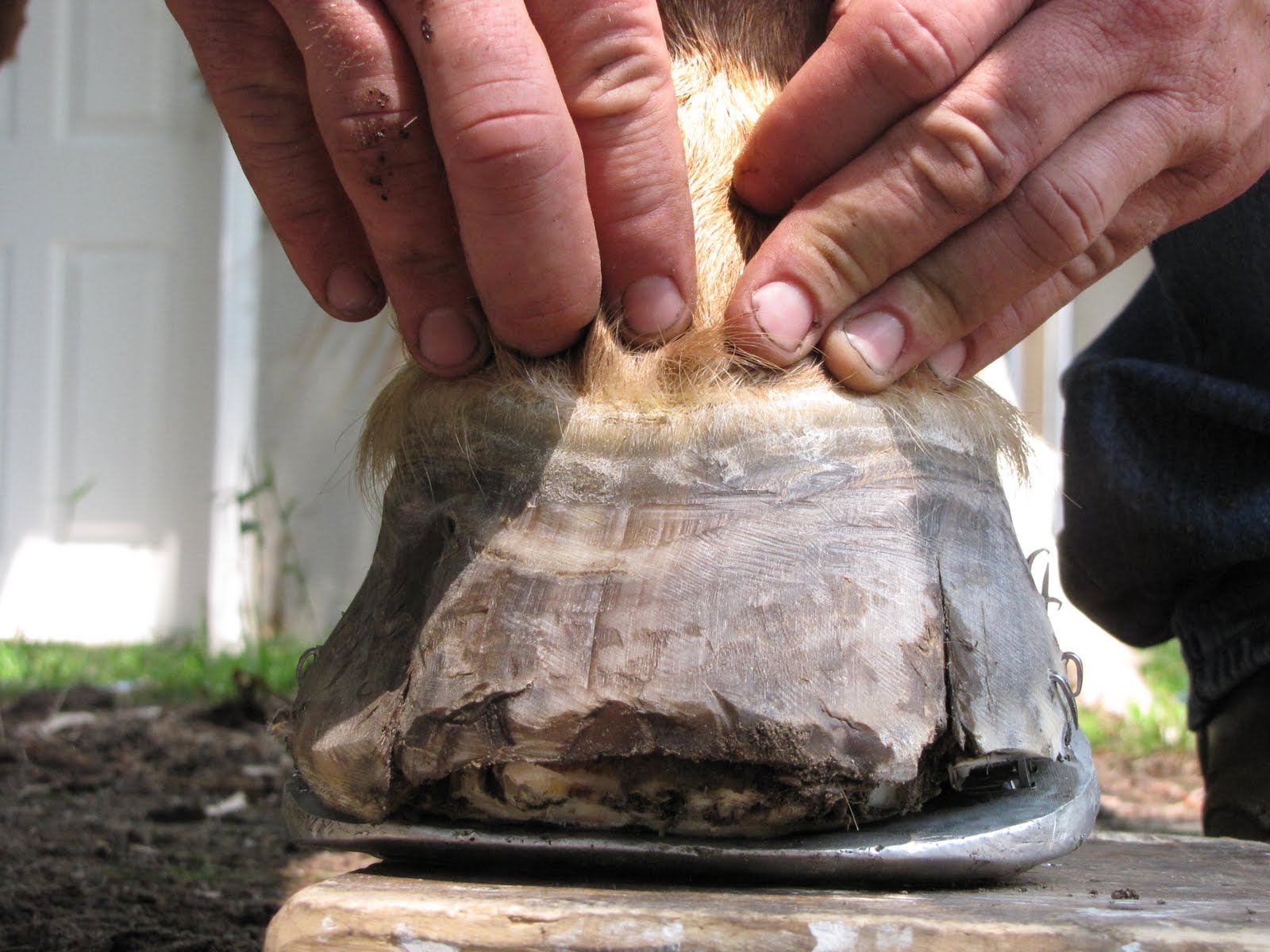
If white line disease occurred in part because of weak hoof walls, biotin supplementation may help. High-quality hoof supplements contain biotin and an array of other hoof-building nutrients. While "white line disease" is common vernacular, it is a misnomer because the problem actually springs from disease of the adjacent tissue.
Hoof Help White Line Disease US Equestrian
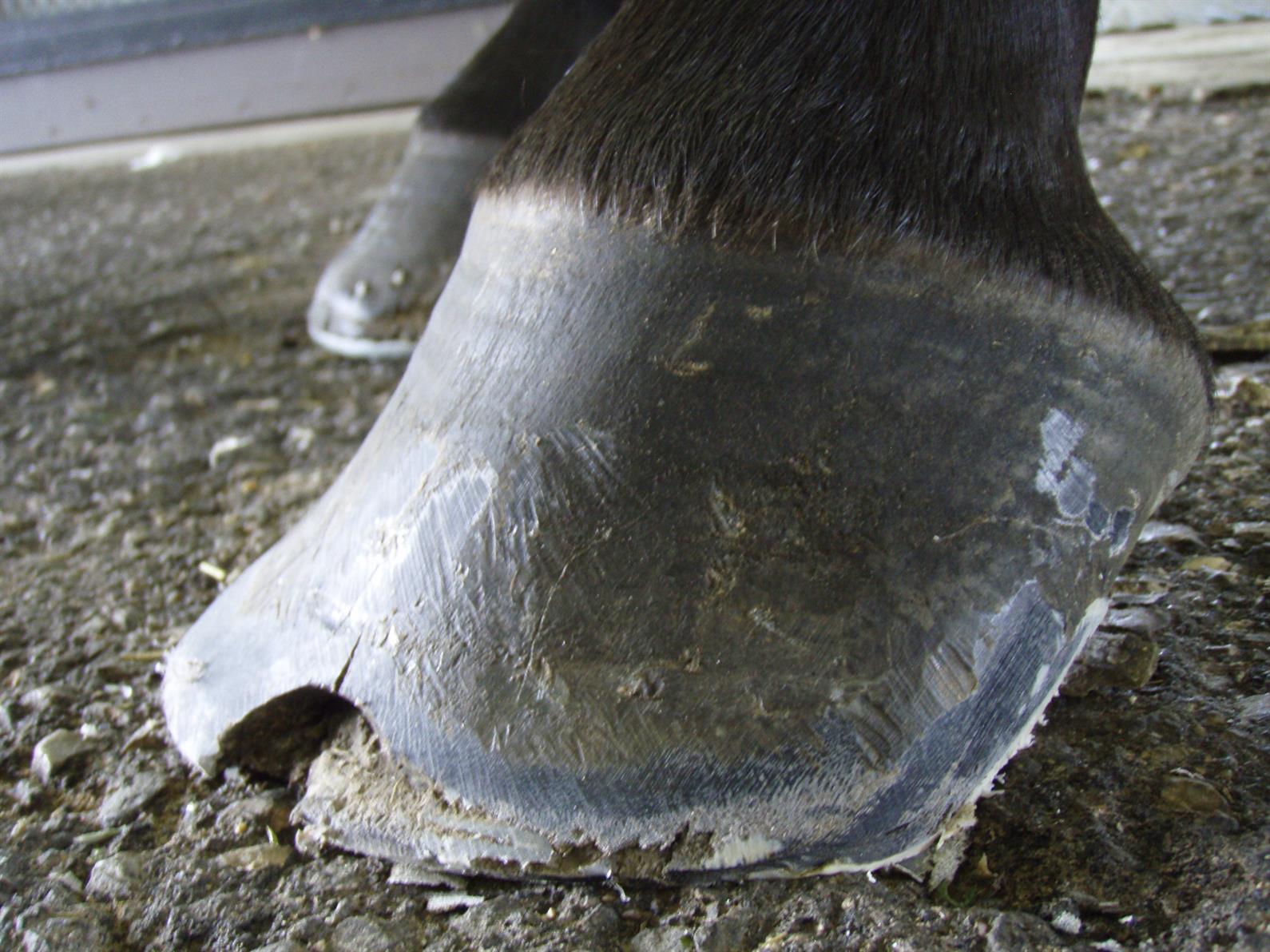
The white line of the foot can be seen by looking at the sole of your horse's hoof. The area (that looks whitish) between the outside hoof wall and where it meets the sole is the white line.
White line disease The Horse Forum
Horses can develop white line disease in moist or dry conditions; prompt veterinary and farrier care is needed. September 23, 2022. ⎯ Nancy S. Loving DVM. With white line disease, infection begins at the ground and moves upward. iStock. There are many instances where veterinarian-farrier collaboration provides a great service to a horse and.
White Line Disease Healing Through Nutrition, Hoof Care, and Booting EasyCare Hoof Boot News

Farrier Takeaways. Buffing the hoof wall can eliminate the microscopic crevices that house fungi and bacteria. Medicated wax that's packed into hoof wall separations can head off infection-causing microbes. Medicated packing that's applied the duration of the shoeing cycle can provide constant treatment, but all infected tracts must be.
White line Disease in Horse or Seedy Toe Equine Lameness
This podcast is an excerpt from our Ask TheHorse Live Q&A, "Horse Hoof Care Basics.". Listen to the full recording here. Find out what causes white line disease and how you can treat and.
Increased reports of White Line Disease in horses after months of heavy rainfall Agriculture
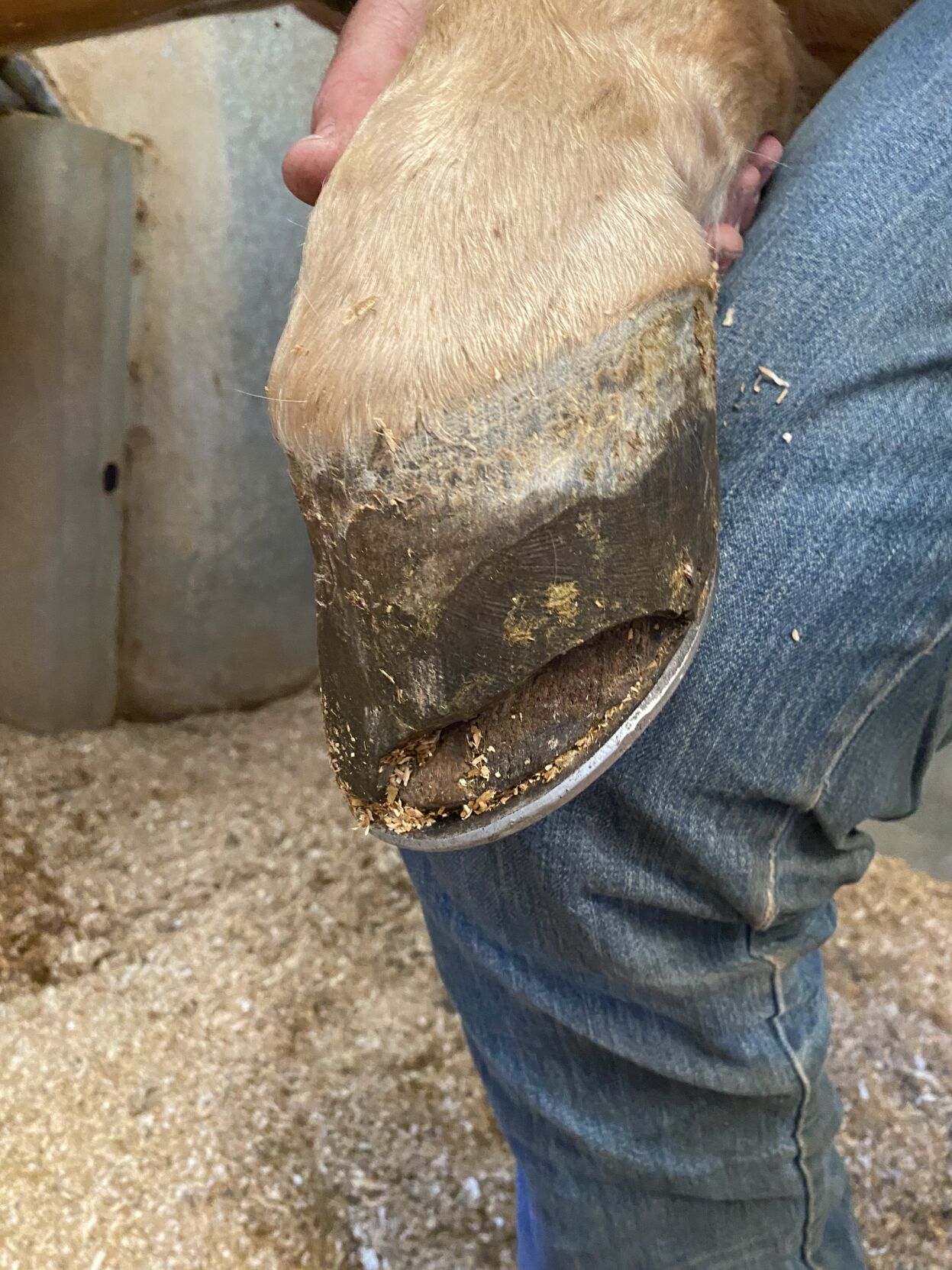
White line disease, an infection that causes separation of the wall, may be seen first at the white line but actually affects the zone of contact between the hard outer wall and the middle layer of hoof tissue.. No horse is immune to hoof problems, but common sense implies that this infection can be minimized by maintaining clean stalls.
Thrush and White Line Disease in Horses Life Data® Blog

The disease actually starts in front of the white line, which is the soft inner layer of the hoof wall. The process begins after something else causes the hoof wall to start separating from deeper tissues — anything that changes the hoof's shape or function. This allows bacteria and fungal organisms to invade and set up house. Affected.