
See No Evil Hear No Evil Speak No Evil Hippie Skull Skull Tapestry TeePublic

What does see no evil, hear no evil, speak no evil expression mean? Definitions by the largest Idiom Dictionary. See no evil, hear no evil, speak no evil - Idioms by The Free Dictionary
Hear no evil see no evil speak no evil monkeys Animal Illustrations Creative Market

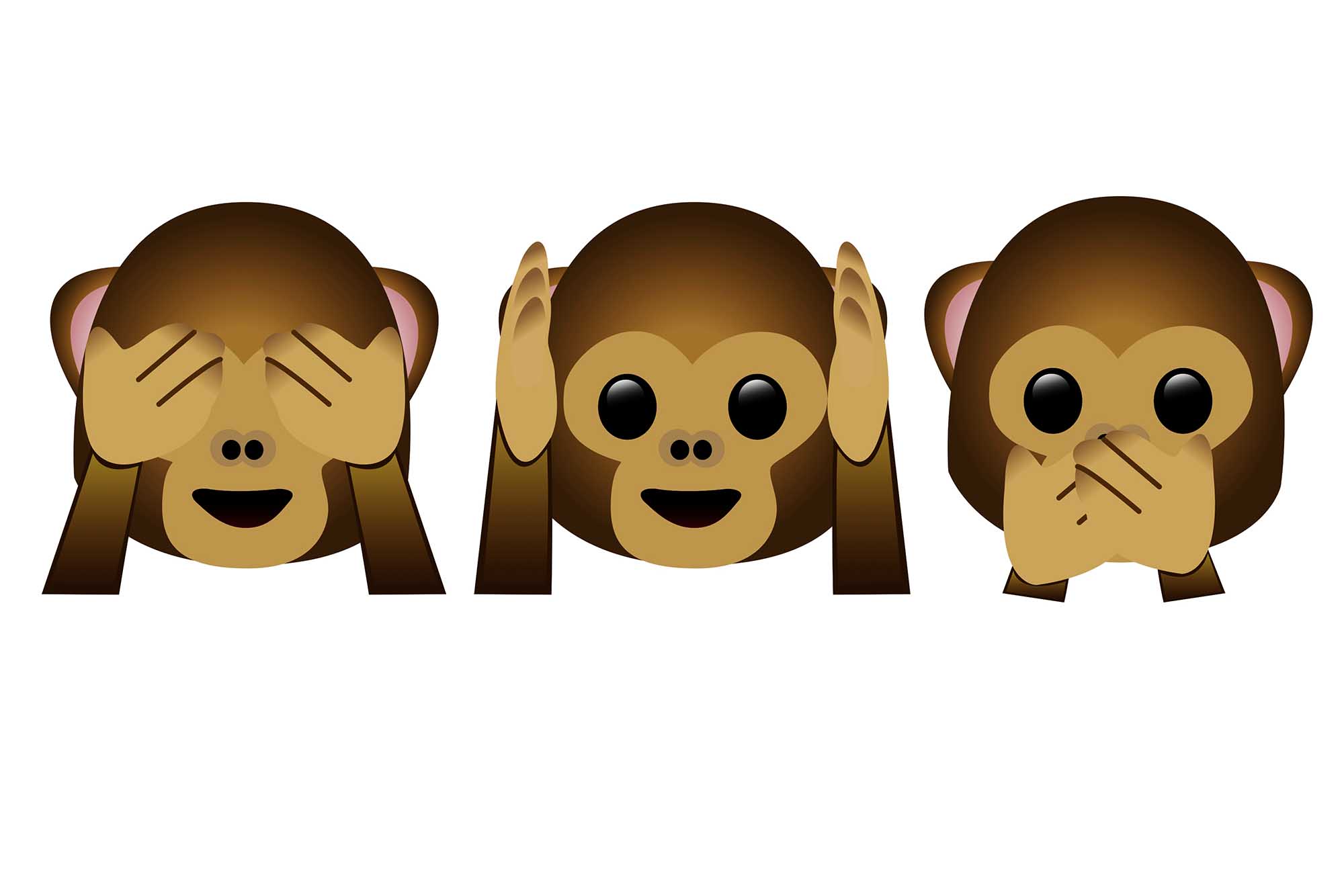
The hear no evil monkey, called Kikazaru (Japanese for "hear not"), one of the Three Wise Monkeys. Depicted as the brown 🐵 Monkey Face with hands covering its ears. The Three Wise Monkeys represent the proverb see no evil, hear no evil, speak no evil, frequently interpreted as a call for discretion or willful ignorance. Often used as a.
Speak No Evil Quotes. QuotesGram
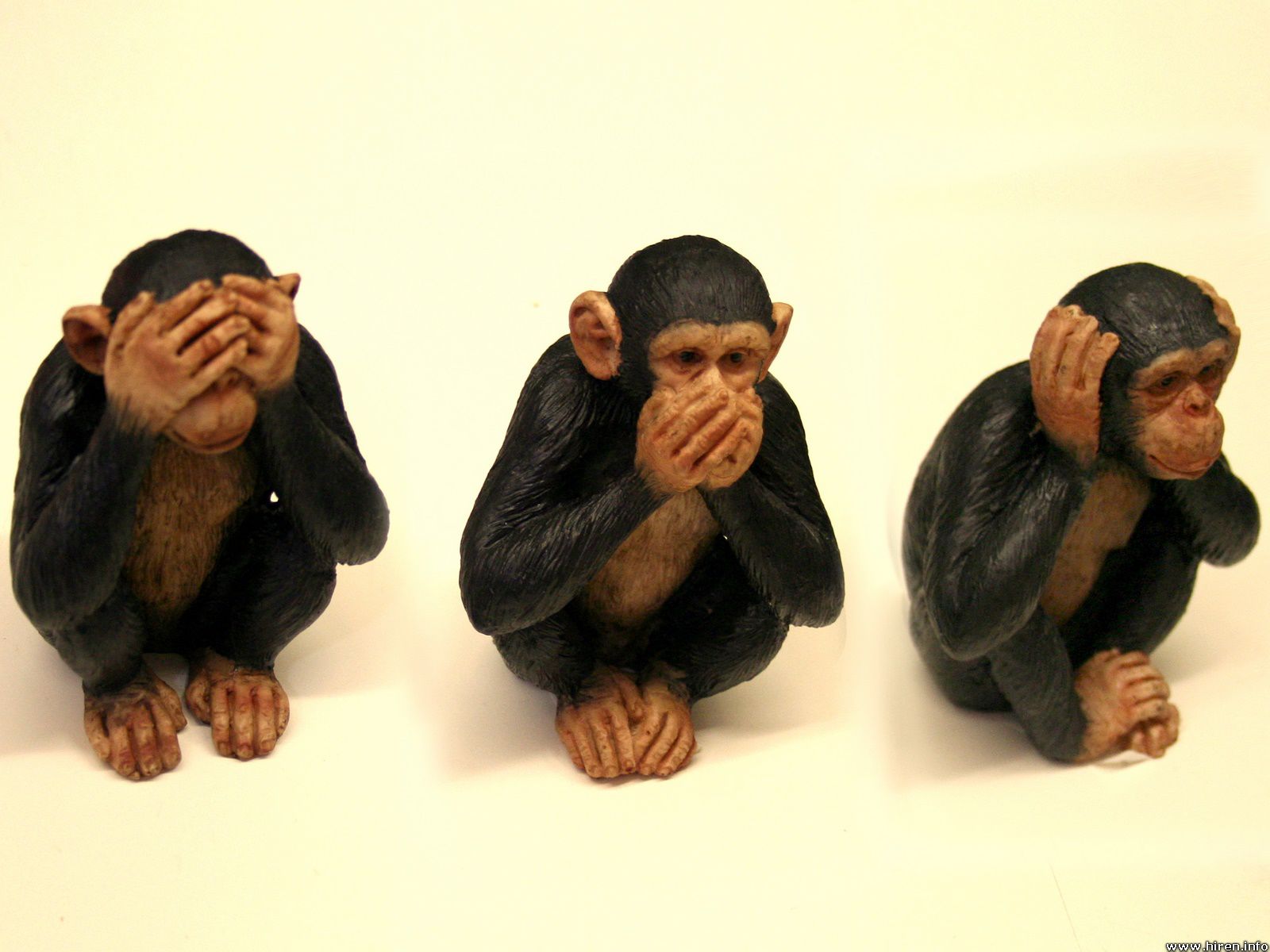
The Three Wise Monkeys, See No Evil, Hear No Evil, and Speak No Evil, are often known these days as popular emojis. Before that they were pop culture cartoons and figurines (and one of the few things Gandhi owned). But before all that they were part of a 17th-century carving at the Shinto Tōshō-gū Shrine in Nikkō, Japan. The monkeys are also part of Buddhist legend, Kōshin practice, and.
See no evil, Hear no evil, Speak no evil, Monkey Cartoon Funny TShirt TeePublic
The protagonists are Kikazaru, the monkey that doesn't hear, Iwazaru, the monkey that doesn't speak and Mizaru, the monkey that doesn't see. These three unique creatures were sent by the gods as observers and messengers. In other words, t hey were to testify to the good and evil of humanity and report back to the deities.
See no Evil, Hear no Evil, Speak no Evil. 364685 Vector Art at Vecteezy
[Verse 4] You don't know my thinking Who I dream of, or the gifts that I bring One thing is true I won't leave clues to where I have been [Refrain] Hear no evil (Monkey 1 says you shouldn't hear.
See No Evil Hear No Evil Speak No Evil Monkeys TShirt TeePublic
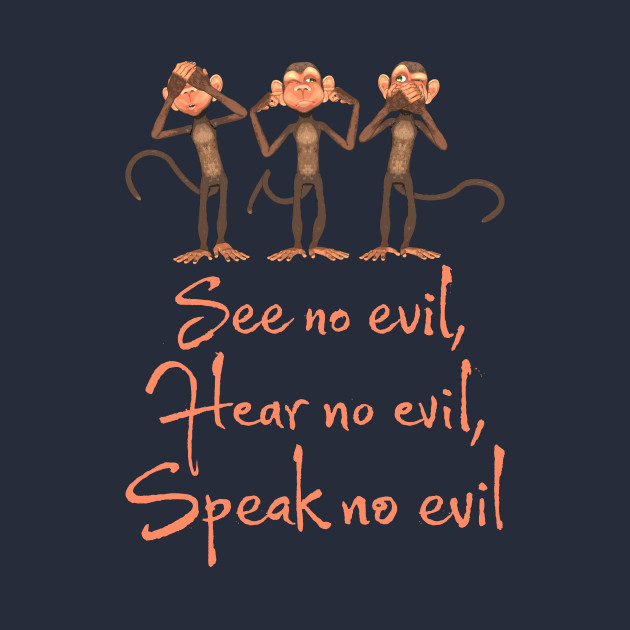
The proverb see no evil, hear no evil, speak no evil is derived from a work of art. A seventeenth century carving above the door in Tōshō-gū shrine in Nikkō, Japan depicts three monkeys-one with his hands covering his eyes, one with his hands covering his ears, and one with his hands covering his mouth. The original meaning of the.
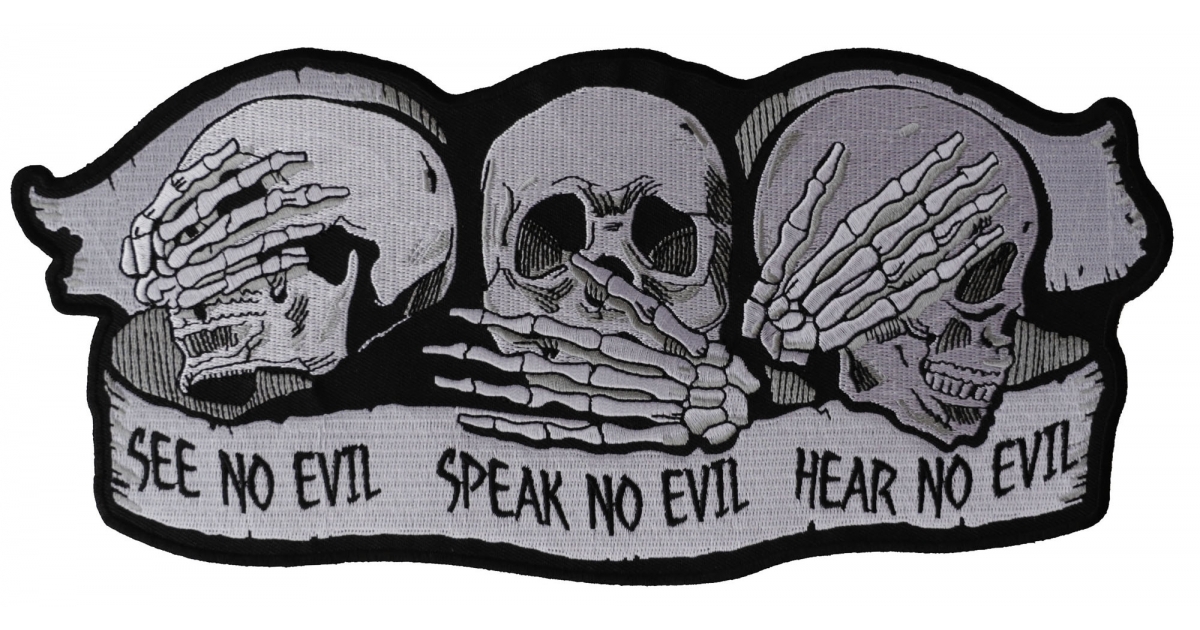
See No Evil Speak No Evil Hear No Evil Skull Patch, Large Skull Patches for Biker Jackets by
The three wise monkeys are a Japanese pictorial maxim, embodying the proverbial principle " see no evil, hear no evil, speak no evil ". [1] The three monkeys are. Mizaru ( 見ざる ), who sees no evil, covering his eyes. Kikazaru ( 聞かざる ), who hears no evil, covering his ears. Iwazaru ( 言わざる ), who speaks no evil, covering his.
Hear No Evil, See No Evil, Speak No Evil Print Wall Art
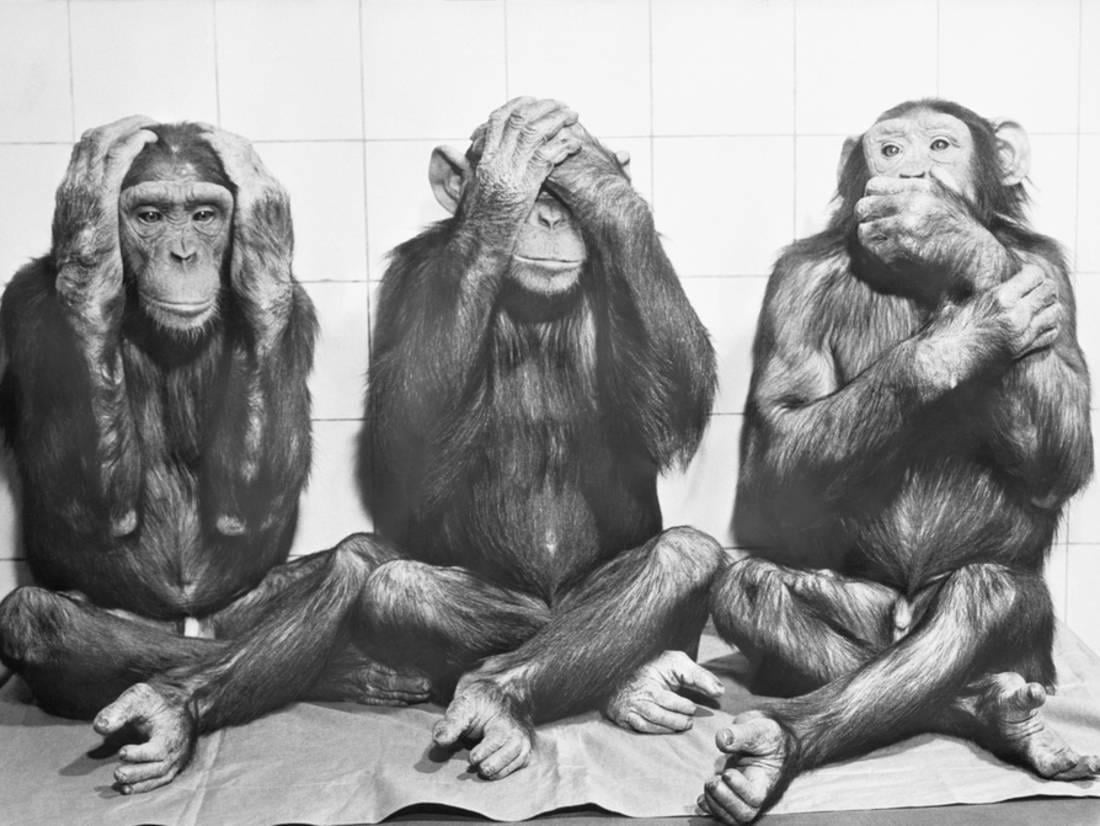
They are identified with a proverbial saying, 'See no evil, hear no evil, speak no evil', first recorded in 1926 and now generally used sarcastically against those who, through selfishness or cowardice, choose to ignore some wrongdoing. A few figurines show the first two monkeys peeping and listening, while the third has a finger on his.
Speak No Evil Quotes. QuotesGram

Interjection. [see no evil, hear no evil, speak no evil] Indicates willingness to be in good mind, speech and action, and not dwell on evil thoughts. Indicates a conniving attitude; indicates willingness to turn a blind eye towards evil. 1968, Planet of the Apes (1968 film) [ In an ape society where humans are mute and are treated as animals, a.
Candy Crush Soda not loading as of today on Page 2 — King Community
In Japanese culture, these monkeys are often called the Three Wise Monkeys or the Three Mystic Apes. The three monkeys, originating from this Buddhist story, teach the importance of having good thoughts, speaking kindly, and doing good deeds. The "see no evil" monkey Mizaru (ミザル) is often depicted with his hands over his eyes.
clipart hear no evil speak no evil hear no evil 20 free Cliparts Download images on Clipground
In English, this expression is generally used in reference to those who choose to turn a blind eye to wrongdoings; but its original meaning, rooted in Confucianism, is to teach prudence and the importance of avoiding evil. It is believed that Buddhist monks brought the expression from India to Japan by way of China around the 8th century. In.
"Speak no Evil, See no Evil, Hear no Evil." by Kirk Shelton Redbubble

The phrase "see no evil, hear no evil, speak no evil" is often depicted in pop culture, usually signifying a moral stance against negativity or wrongdoing. Let's explore some instances: "See No Evil, Hear No Evil" is a 1989 comedy film directed by Arthur Hiller. The film revolves around a blind man and a deaf man who unwittingly becomes.
see no evil, hear no evil, speak no evil. Qdesign 515 See no evil, Evil, Hearing

See no evil, hear no evil, speak no evil. A Buddhist/Shinto proverb that some sources maintain is Japanese, while others maintain it is Chinese and attribute it to Confucius, because a similar concept is quoted in the Analects of Confucius, which date from the 4th or 2nd century BC, "Look not at what is contrary to propriety; listen not to what is contrary to propriety; speak not what is.
the gipster

See No Evil, Hear No Evil, Speak No Evil Skull Planters and Pots (28) $ 19.07. FREE shipping Add to Favorites Chubby Little Monk Ceramic Mini figurines plant pets fairy garden decor. See no evil, Hear no evil, Speak no evil. (2.3k) $ 8.95. Add to Favorites 3 Skull Succulent Planter - Hear No Evil, Speak No Evil, See No Evil Design| Indoor.
Image HearNoEvilSeeNoEvilSpeakNoEvil.jpg Metal Gear Wiki Fandom powered by Wikia
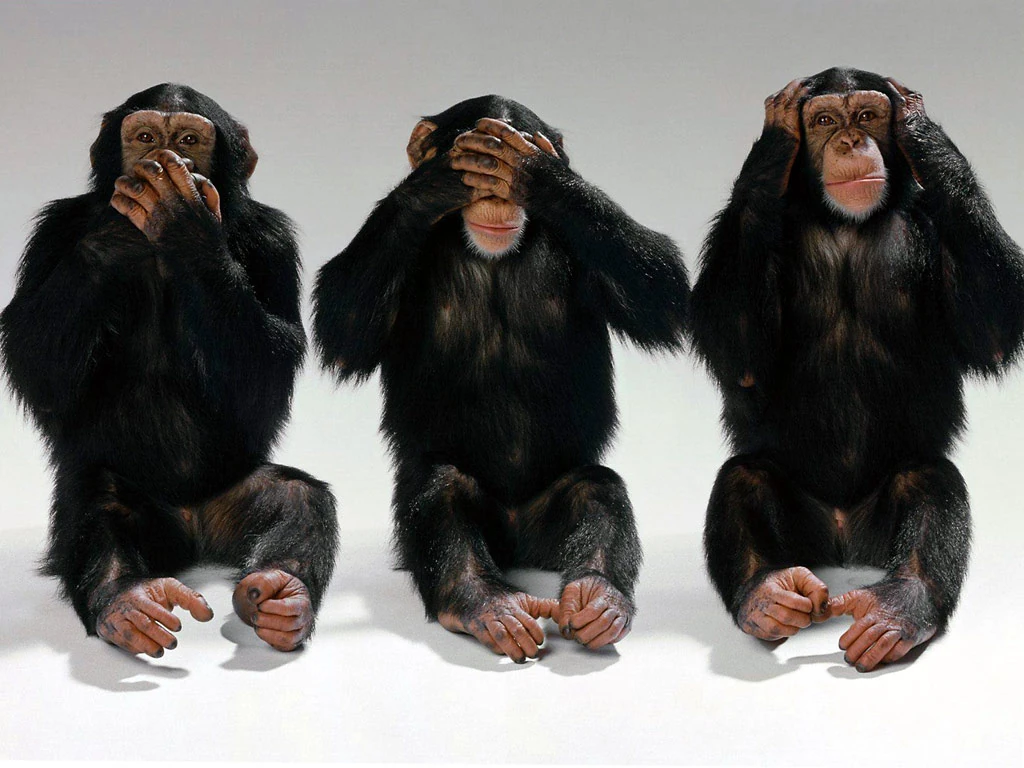
The phrase "See no evil, Hear no evil, Speak no evil" first emerged in Japan in the 17th century and then was later adopted worldwide as a message of peace and tolerance due to Mahatma Gandhi's visual metaphor of the three monkeys, with one of them covering his eyes, the second his mouth, and the third his ears..
See No Evil, Hear No Evil, Speak No Evil…is evil! St. Gregory the Illuminator Armenian Church
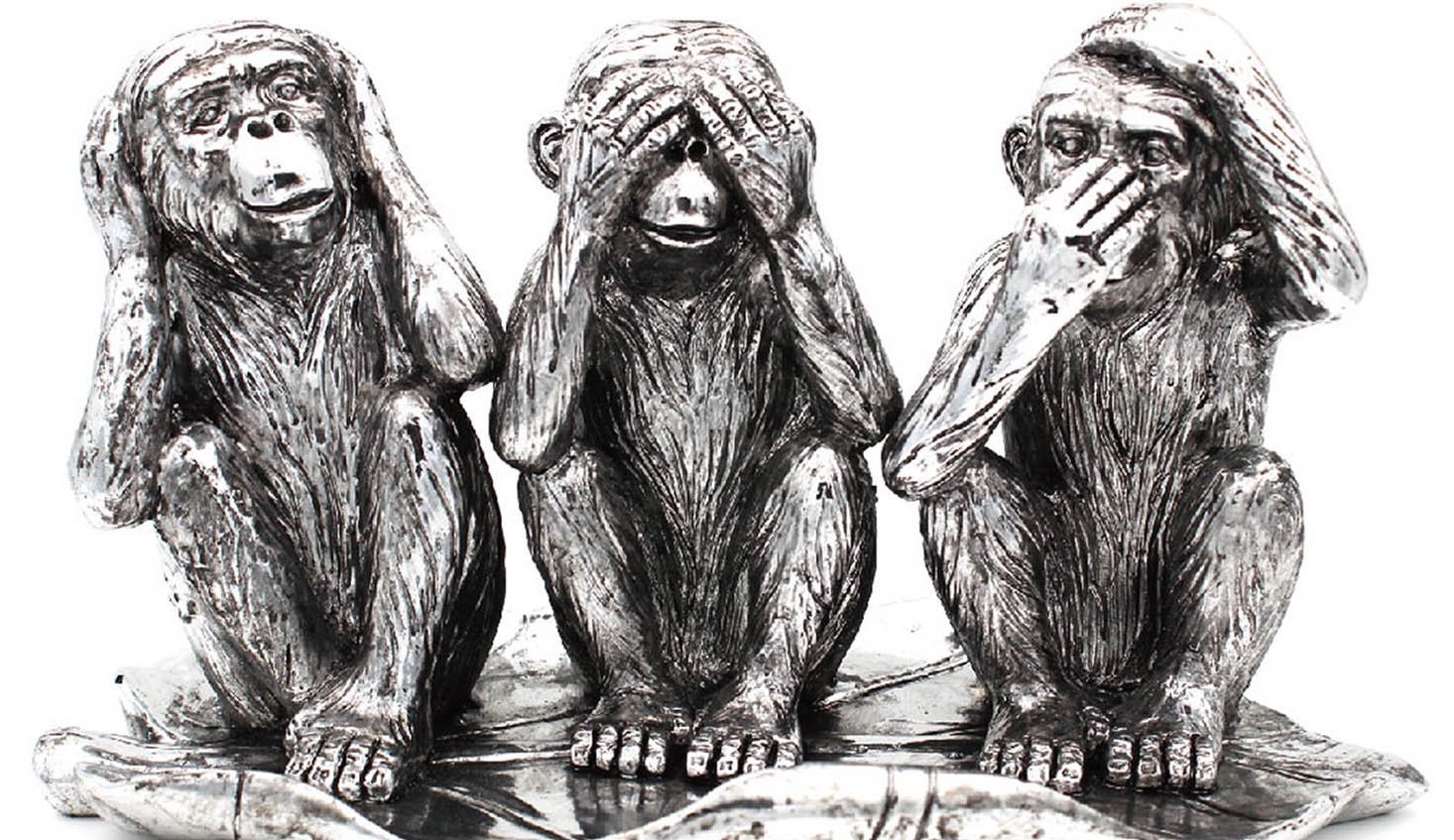
The Three Wise Monkeys. 1. Mizaru - See No Evil. The first of the monkeys, "See no evil," is represented by Mizaru, the monkey who covers his eyes. Mizaru, derived from the Japanese "mi" (miru, to see) and "saru" (monkey), is a linguistic play on words, combining the action of seeing with the negative form "zaru", indicating.