
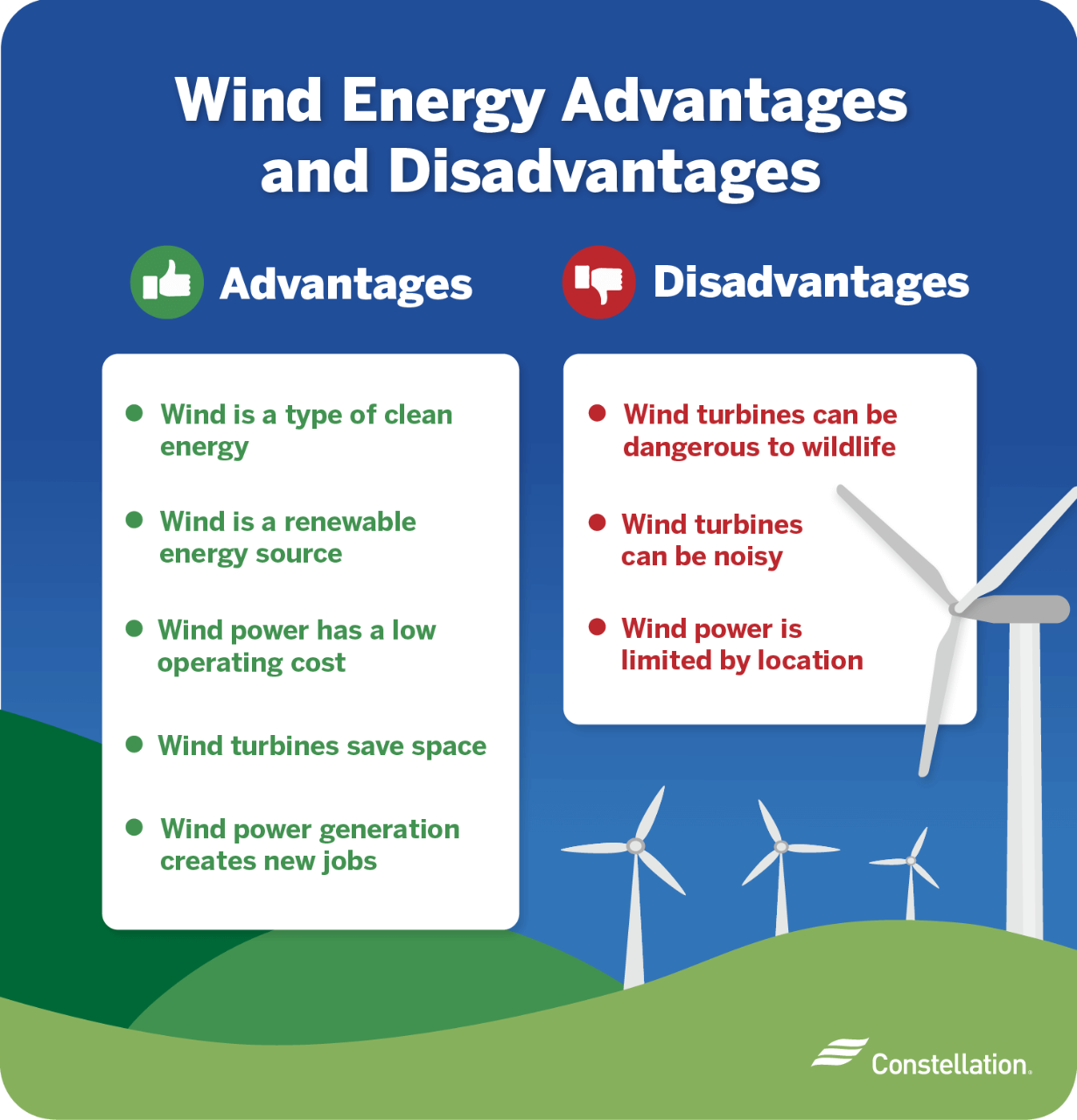
Wind Energy Advantages and Disadvantages Constellation
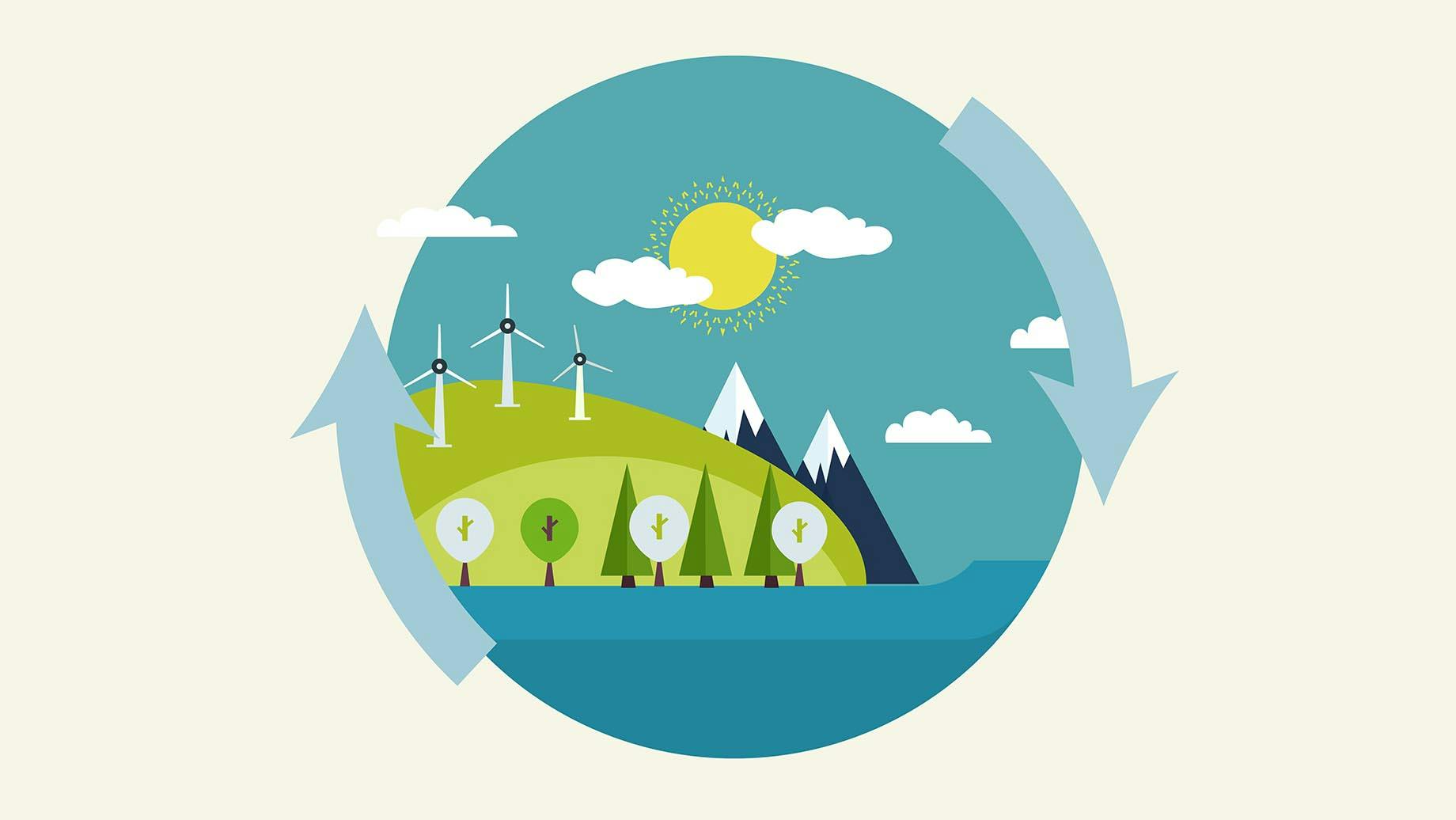
Renewable energy, usable energy derived from replenishable sources such as the Sun (solar energy), wind (wind power), rivers (hydroelectric power), hot springs (geothermal energy), tides (tidal power), and biomass (biofuels). Several forms have become price competitive with energy derived from fossil fuels.
What Are The Advantages And Disadvantages Of Solar Energy? Blue Raven Solar
4. Renewable energy is stable. When renewables are creating energy, the power produced is stable and usable, just like any other form of "traditional" power. It is a dependable resource when an infrastructure is available to support it. Jobs are created within the sector as well, creating stability within local economic sectors at the same.
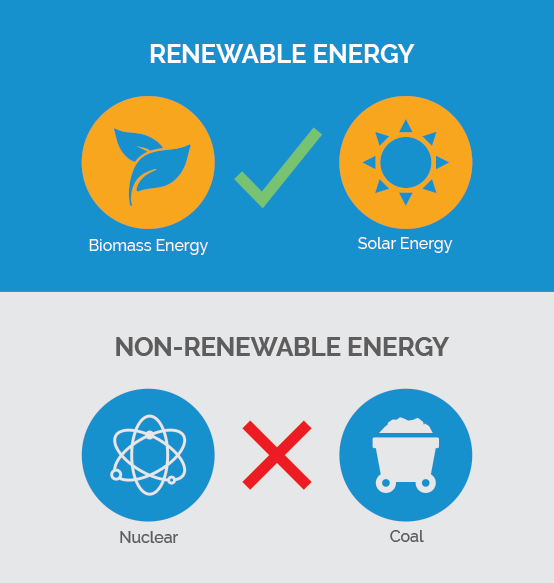
Topic 6, Lesson 2 AND Lesson 1 Nonrenewable/Renewable Energy Diagram Quizlet

Absolutely. While most of us probably associate energy with all the oil tycoons and money from fossil fuel production, renewable energy is much more beneficial to the economy, particularly on a local scale. Renewable energy farms can bring new life to rural areas that are quickly forgotten and left behind in the U.S.
Managing Resources Lesson 2 Renewable & NonRenewable Resources Key Stage 3 Teaching Resources

Inexhaustible supply. One of the main benefits of renewable energy sources like the sun, wind and water is that they will never run out. In contrast, non-renewable resources are not only finite, but cost more as their availability declines and require more extreme extraction methods with greater environmental impacts.
Advantages and Disadvantages of Renewable Energy Inspire Clean Energy
Advantages of Renewable Energy Sources. Renewable energy sources offer numerous advantages over conventional fossil fuels. Some of the key advantages include: 1. Environmental Benefits. Renewable.
Six Myths About Renewable Energy WSJ

In National 4 Physics learn how electricity is produced and distributed, the advantages and disadvantages of renewable and non-renewable energy sources.
Nonrenewable energy types colorful poster Vector Image

Advantages and Disadvantages of Renewable and Non-renewable Energy Sources Renewable and non-renewable energy sources are the most important and vital sources of energy on this planet. In this article, you will read about their advantages and disadvantages and also the characteristics of renewable and non-renewable energy sources.
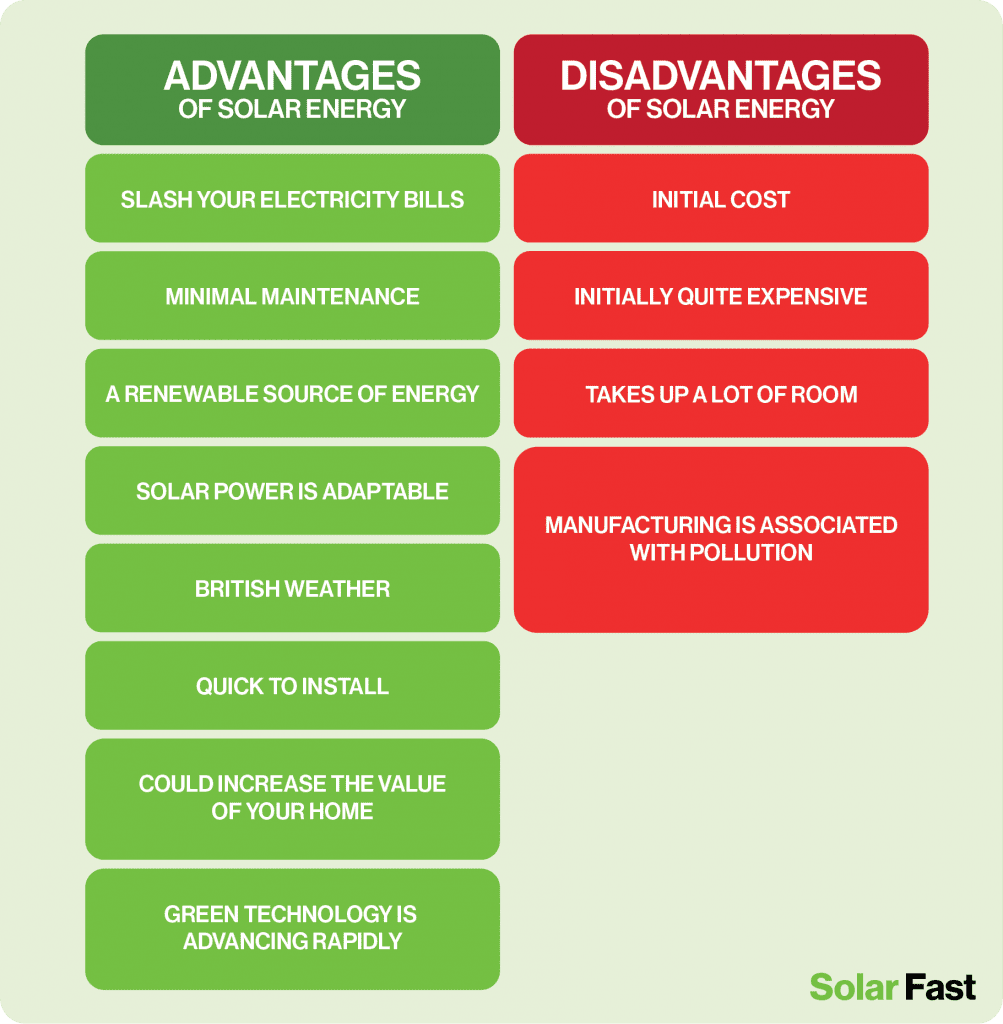
Solar Energy Advantages & Disadvantages Solar Fast
Renewable energy sources include solar, wind, hydroelectric, and geothermal energy. They also include biomass and hydrogen fuels. These energy sources are sustainable and generate fewer greenhouse gas emissions than fossil fuels. Renewable and nonrenewable energy sources. Clockwise from top left: a solar power station, a wind farm, a.
Examples of Sustainable Conservation (5.26) Edexcel International A Level Biology Revision

The wind, the sun, and Earth are sources of renewable energy . These energy sources naturally renew, or replenish themselves. Wind, sunlight, and the planet have energy that transforms in ways we can see and feel. We can see and feel evidence of the transfer of energy from the sun to Earth in the sunlight shining on the ground and the warmth we.
Advantages and Disadvantages of Renewable Energy Waaree Energies

4. Renewable energy has numerous environmental benefits. Renewable energy generation sources lead to lower greenhouse gas emissions than traditional fuel sources like natural gas. This means a smaller carbon footprint and an overall positive impact on the natural environment.
Difference Between Renewable & Nonrenewable Resources Inspire Clean Energy
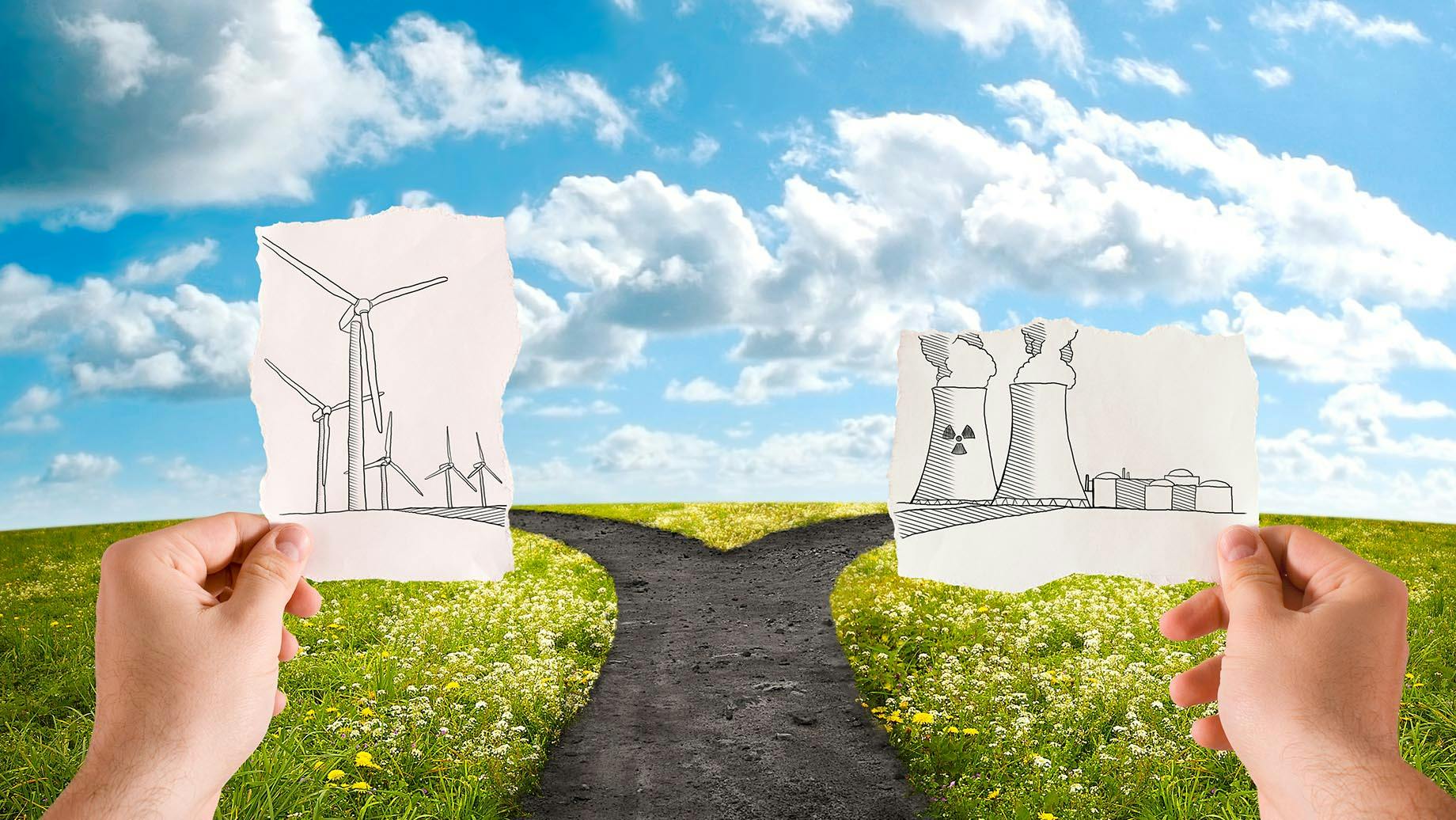
Using more renewable energy can lower the prices of and demand for natural gas and coal by increasing competition and diversifying our energy supplies. And an increased reliance on renewable energy can help protect consumers when fossil fuel prices spike. Explainer. Renewables face major obstacles.
What is non renewable energy in Definition, Types and Importance of non renewable energy AESL

1. Alternative energy will never run out. The first and most important benefit of using renewable energy is in its name - it is renewable. It means that it will not run out. Ever. While fossil fuels will run out in 40-60 years, the sun will always shine, the wind will always blow, and the Earth will always have geothermal energy.
ADVANTAGES AND DISADVANTAGES OF GREEN ENERGY
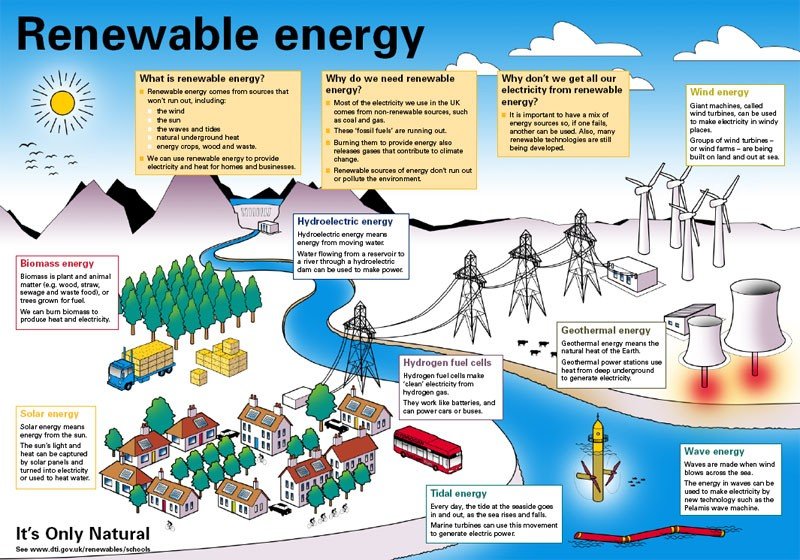
8. Renewable Energy Can Increase Countries' Economic Independence. Countries with no fossil fuel resources can reduce their energy dependence with a distributed network of renewable energy technologies. In fact, local people can generate electricity using renewable technologies and help governments reduce oil imports.
Online Essay Help amazonia.fiocruz.br

List of the Disadvantages of Non-Renewable Energy. 1. Non-renewable energies lead to high levels of pollution. If we were to take only the subsidized figures from the non-renewable energy industry, the fossil fuels we consume represent 28% of the global greenhouse gas emissions released each year.
Wind Power or Solar Energy What’s the Better Choice? Constellation Residential and Small
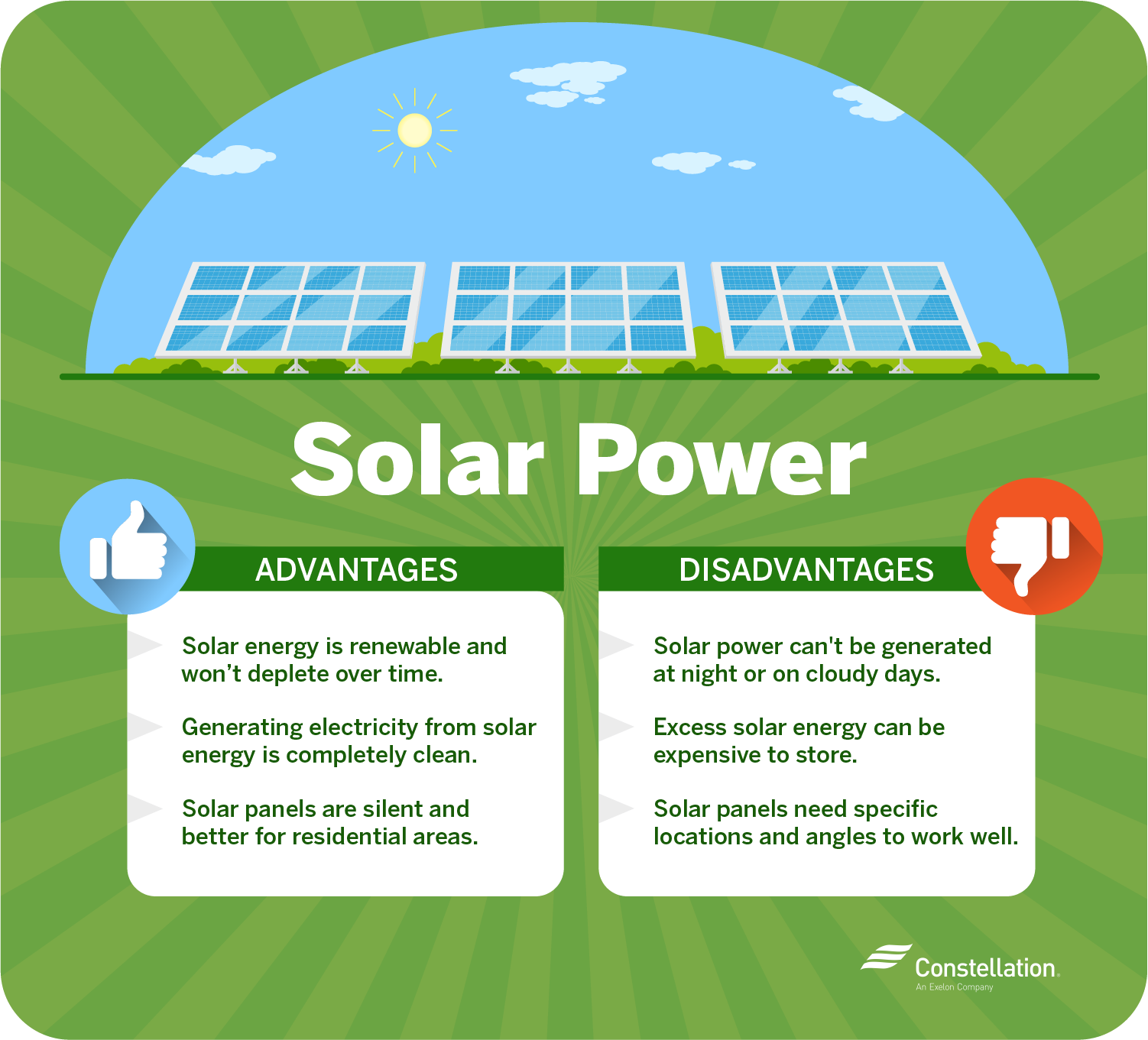
Hydropower: For centuries, people have harnessed the energy of river currents, using dams to control water flow. Hydropower is the world's biggest source of renewable energy by far, with China.
Pros, cons of renewable energy sources
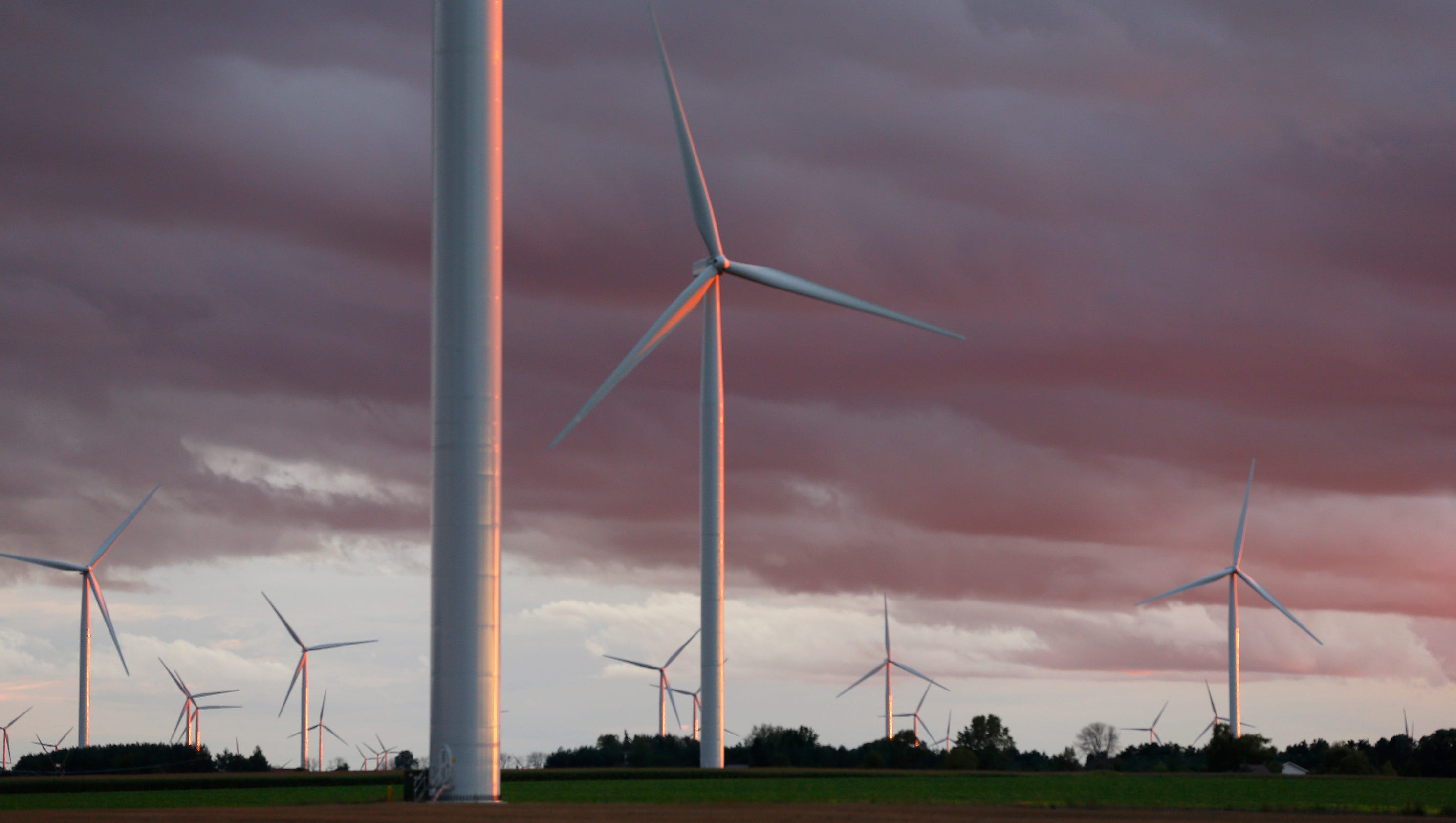
The advantages of renewable energy have been known for a very long time - such as cleaner air, lower carbon emissions, the conservation of natural resources, and substantial long-term savings.. In America, we're embracing renewables at a remarkable rate, with clean energy now outpacing coal for the first time in the modern era. Wind farms, solar panels, hydropower stations, and even large.